Quartz countertops represent a significant investment in your home’s beauty and functionality. With proper care, these premium surfaces can maintain their showroom appearance for decades—potentially outlasting several kitchen renovations. Unlike natural stone that demands regular maintenance, quartz offers remarkable durability with minimal upkeep. This guide reveals professional strategies to keep your quartz countertops looking spectacular through years of daily use.
Daily Care Tips for Quartz Countertops
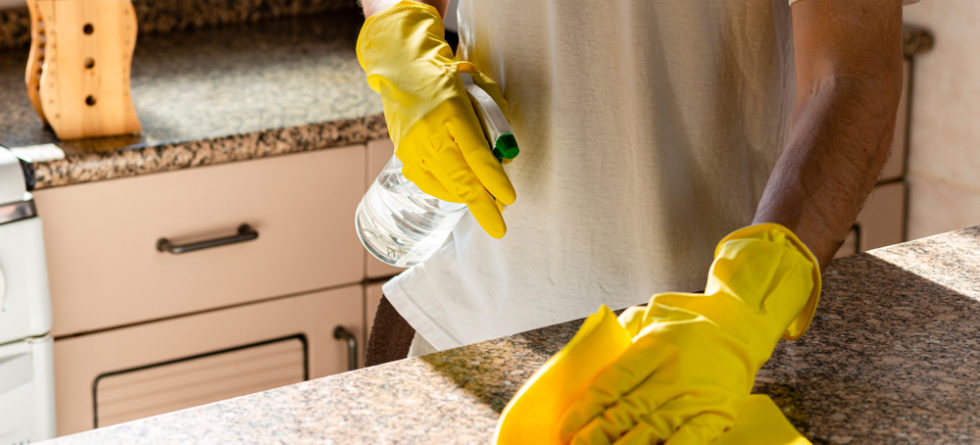
The foundation of quartz longevity lies in simple daily habits that prevent damage before it occurs. Begin with gentle cleaning using warm water and a soft microfiber cloth for routine spills and messes. This approach removes most substances without risking surface damage from harsh chemicals or abrasive tools.
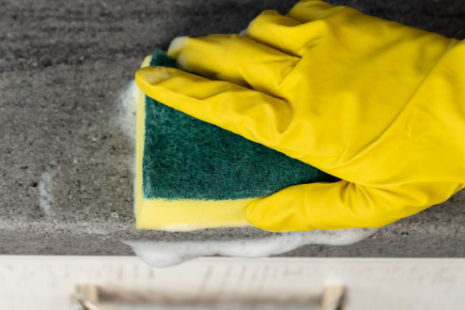
For more substantial cleaning needs, mild dish soap diluted in warm water provides effective yet gentle cleansing power. Apply with a soft cloth using circular motions, then rinse thoroughly with clean water to prevent soap residue that can dull the surface over time. Finish by drying completely with a clean microfiber cloth to prevent water spots and streaking.
Immediate attention to spills represents perhaps the most important daily maintenance practice. While quartz resists staining better than natural stone, certain substances—particularly those containing strong pigments or oils—can potentially discolor the surface if allowed to sit for extended periods. Red wine, coffee, cooking oils, and tomato sauce warrant special vigilance.
Creating designated landing spots for potentially damaging items helps protect your investment without requiring constant vigilance. Establishing specific areas for hot items, cutting, and food preparation preserves your countertop’s appearance while actually enhancing kitchen functionality through thoughtful organization.
Dealing with Stains and Scratches
Despite quartz’s impressive resistance to common kitchen hazards, occasional challenges may arise. Understanding appropriate responses to various situations helps maintain your countertop’s pristine appearance.
For fresh spills from potentially staining substances, blot—don’t wipe—the liquid with a clean, absorbent cloth. Wiping can spread the substance across a larger area, while blotting lifts it away from the surface. Follow with normal cleaning using warm water and mild soap.
Stubborn residue from adhesives, food, or hardened substances requires gentle mechanical removal. Plastic putty knives or credit cards provide effective scraping without risking surface scratches. Avoid metal tools that could potentially mark the surface, regardless of how carefully applied.
For persistent stains that resist normal cleaning, product-specific cleaners designed for quartz surfaces offer targeted solutions without damaging the material. Always test in an inconspicuous area first and follow manufacturer directions precisely. Patience with repeated gentle applications typically yields better results than aggressive single treatments.
Surface scratches in quartz, while uncommon, can occasionally occur. Unlike natural stone, quartz cannot be professionally repolished once installed. However, minor scratches often respond well to specialized polish formulated specifically for engineered stone. These products temporarily fill microscopic surface irregularities, restoring visual uniformity without altering the material itself.
Myths About Quartz Maintenance Debunked
Confusion about quartz care persists despite its growing popularity, with several common misconceptions potentially leading to unnecessary work or even damage.
Perhaps the most persistent myth suggests that quartz requires sealing like natural stone. In reality, quartz’s non-porous engineered structure eliminates this need entirely. The manufacturing process already creates a sealed surface through resin binding of the quartz particles. Any product marketed as a “quartz sealer” is unnecessary at best and potentially harmful at worst if it contains incompatible chemicals.
Another common misconception holds that all quartz products offer identical performance and maintenance requirements. In reality, significant differences exist between manufacturers and even between product lines from the same brand. Premium quartz typically contains higher resin quality and quartz content, potentially offering better stain and scratch resistance than budget alternatives. Always follow the specific recommendations provided by your countertop’s manufacturer.
Some homeowners avoid using household disinfectants on quartz, fearing surface damage. While harsh chemicals should certainly be avoided, many common disinfectants—including those containing quaternary ammonium—can be used safely for occasional deep cleaning. The key is avoiding prolonged contact; apply the product, allow the manufacturer’s recommended dwell time, then rinse thoroughly with clean water.
The belief that quartz performs identically in all environments represents another potentially costly misconception. While indoor applications typically deliver decades of trouble-free service, exterior installations face challenges from UV exposure that can cause yellowing or degradation of the resin binding. For outdoor kitchens, other materials often provide better long-term performance.
Best Products for Quartz Cleaning
With countless cleaning products claiming superior performance, identifying truly effective options for quartz maintenance can prove challenging. Professional fabricators and installers consistently recommend several specific approaches based on extensive field experience.
For daily cleaning, specialty quartz cleaners like those from Weiman, Method, and Granite Gold provide effective results without harsh chemicals that might damage the surface over time. These pH-balanced formulations remove common kitchen messes while maintaining the surface’s natural luster without building up residue that can dull appearance.
For deeper periodic cleaning, a paste created from baking soda and water offers gentle yet effective cleaning power for removing stubborn residue. Apply the paste, allow it to sit briefly, then wipe away with a damp cloth. This approach harnesses mechanical cleaning power rather than harsh chemicals, preserving your countertop’s integrity while restoring its appearance.
Glass cleaners can safely address fingerprints and water spots on quartz surfaces when used occasionally. Their alcohol content evaporates quickly without leaving streaks, though they shouldn’t replace regular cleaning with soap and water for food preparation surfaces. Avoid glass cleaners containing ammonia, which could potentially damage some quartz finishes with repeated use.
Equal parts white vinegar and water provides another effective cleaning option, particularly for water spots or mineral deposits from hard water. This mild acid solution cuts through these common bathroom countertop issues without damaging the quartz surface. Always rinse thoroughly after application and use sparingly, as excessive use of any acidic cleaner could potentially affect some quartz finishes over time.
Regardless of which products you select, always avoid those containing bleach, high concentrations of acids (including lemon and vinegar in high concentrations), caustic agents like oven cleaner, or abrasive components that might dull the surface finish. When in doubt about a specific product, consult your countertop’s warranty information or contact the manufacturer directly.
By following these professional maintenance guidelines, your quartz countertops will continue to be both a visual centerpiece and functional workhorse in your kitchen or bathroom for decades to come. The minimal effort required to maintain these surfaces represents one of their greatest advantages over natural stone alternatives—allowing you to enjoy their beauty without the ongoing maintenance commitment that other premium surfaces demand.