How Long Do Quartz Countertops Really Last?
It’s one of the first questions homeowners ask when they’re standing in a showroom, running their hand across a beautiful quartz slab: “Okay, but how long is this actually going to last?”
It’s a fair question. Quartz isn’t cheap, and you’re not shopping for something you want to replace in ten years. You want a real answer — not a salesperson’s pitch.
So here it is, backed by actual data.
The Honest Answer: It Depends on How You Treat It
Under ideal conditions, a high-quality quartz countertop could last 50 to 100 years. But most homes don’t offer ideal conditions. A more realistic typical lifespan is 15 to 20 years, and with proper care, a homeowner can often push that further.
That gap — between 15 years and a potential lifetime — isn’t random. It comes down almost entirely to how the countertop is installed, used, and maintained. The material itself is genuinely built to last. The question is whether you let it.
Quartz is roughly 90% natural stone and 10% resin. Stone countertops are estimated to last 100 years, resin components around 10. That weighted average puts the theoretical lifespan at around 91 years — which gives you a sense of just how much structural longevity is baked into the material.
What the Warranties Actually Tell You
Warranties are one of the most honest signals a manufacturer can send. When a company backs a product for life, they’re saying something meaningful with their money.
Most quartz warranties range from 15 years to lifetime, depending on the brand. The major names — Silestone, Cambria, Caesarstone, and MSI — all offer clear published warranty terms, and the language is similar across all of them.
Here’s how the leading brands compare right now:
| Brand | Warranty Length | Transferable? | Notable Condition |
| Cambria | Lifetime (residential) | No | Original owner only |
| Caesarstone | Lifetime (residential) | Yes (10yr prorated after transfer) | Authorized installers only |
| Silestone | 25 years | Yes | Must register within 60 days of install |
| MSI | 15 years | Varies by product | Authorized retailers required |
Things that commonly void the warranty across all brands include excessive heat damage, outdoor installation, improper maintenance, and use of harsh chemicals. One brand specifically names “crock pots, skillets, and anything that exudes high heat” as warranty- voiding causes.
The takeaway: the warranty is only as good as how you treat the surface. Ignore the care guidelines and you’re on your own.
The 4 Things That Actually Shorten a Quartz Countertop’s Life
Most premature aging in quartz comes down to four things. None of them are complicated, but all of them are common.
-
Heat — The Biggest Culprit
Quartz is heat-resistant, not heatproof. The resin in quartz countertops will discolor and can melt at high temperatures. Setting a scorching hot pan directly from the stove or oven onto the surface is one of the fastest ways to cause permanent damage. Trivets and hot pads are non- negotiable.
-
Poor Installation
If quartz is not installed correctly, it can lead to uneven surfaces, cracks, or chips that significantly shorten its lifespan. Proper support — especially over large spans or around cutouts for sinks and cooktops — is vital to prevent stress cracking. This is one area where cutting costs on the installer is never worth it.
-
Harsh Chemicals
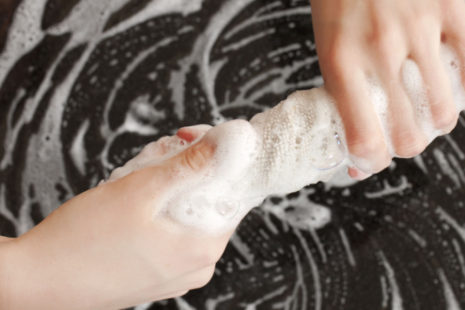
You don’t need commercial products that claim to be designed for quartz. All you need is mild dish soap and a soft cloth, even for tough messes. Avoid bleach and ammonia, and never scrape caked-on messes with an abrasive sponge or knife.
-
Sunlight and Outdoor Exposure
Quartz can become discolored if installed in a kitchen or bathroom with large windows and abundant natural light. It’s not recommended for outdoor kitchens, as UV exposure causes fading over time. If your kitchen is bright and sun-drenched, position quartz away from direct sustained sunlight where possible.
Quartz vs. Other Materials: Lifespan by the Numbers
To put quartz’s durability in real context, here’s how it stacks up against the other materials homeowners most commonly compare it to:
| Material | Typical Lifespan | Sealing Required | Heat Resistant | UV Safe (Outdoor) |
| Quartz | 15–25 yrs (up to lifetime) | No | Moderate (resin risk) | No |
| Granite | 30+ years | Yes (annually) | Yes | Yes |
| Porcelain Slab | 50–100+ years | No | Yes | Yes |
| Marble | 20–25 years | Yes | No | No |
| Butcher Block | 10–20 years | Yes (oiling) | No | No |
| Laminate | 10–15 years | No | No | No |
Sources: InterNACHI, Angi 2025, Moreno Granite, Bedrock Quartz
Quartz sits solidly in the middle of the pack for lifespan — outlasting laminate and marble with ease, but not quite matching granite or porcelain for raw longevity. What it makes up for is consistency. Unlike natural stone, quartz doesn’t require periodic sealing, which means less maintenance throughout its lifespan. That matters a lot over 20 years.
Signs Your Quartz May Need Replacing
The good news is that quartz rarely fails structurally. It’s not as though quartz will begin falling apart after 15 or 20 years. In the absence of some sort of disaster, quartz should remain physically intact well beyond that mark. Still, countertops may warrant replacement due to fading, stains, burns, and other blemishes.
Watch for these signs that it might be time for an upgrade:
- Visible heat discoloration that doesn’t polish out
- Deep staining on light-colored surfaces that won’t lift
- Chips or cracks near the edges or around sink cutouts
- Dullness or surface etching from chemical exposure
- Seam separation from improper installation or settling
How to Get the Full Life Out of Your Quartz ⬛✓
Simple habits make a significant difference over the long run.
- Always use trivets for hot pots, pans, and appliances like slow cookers
- Clean with mild dish soap and a soft cloth — nothing abrasive
- Wipe up spills quickly, especially dark liquids like coffee, wine, or tomato sauce on light surfaces
- Use cutting boards — quartz resists scratches well, but knife marks accumulate over time
- Keep quartz away from sustained direct sunlight if possible
- Hire an experienced, authorized installer from the start
None of these are hard. Most are just habits. And the reward is a surface that looks great for decades.
Is Quartz Worth the Investment in 2025?
On average, a well-maintained quartz countertop lasts 15 to 25 years, and in some cases even longer. The longevity largely depends on the quality of the quartz, the manufacturing process, and how well it’s maintained.
For a surface that requires no sealing, resists stains brilliantly, comes in hundreds of designs, and can outlast two or three kitchen renovations — yes, it’s worth it for most homeowners. The key is buying quality, hiring the right installer, and treating it with basic respect. E
Ready to Choose the Right Countertop for Your Kitchen?
Whether you’re sold on quartz or still weighing your options, our team can walk you through every material side by side — no pressure, just honest advice backed by real experience.
Come visit our showroom and see full slabs in person, bring samples from your kitchen, and let’s find the surface that fits your life and your budget. Or reach out today for a free consultation and quote. Your kitchen is worth getting right — and we’re here to help you do exactly that.