Let’s talk about money. Specifically, how much you should expect to spend on those beautiful new countertops you’ve been dreaming about. If you’ve started researching options, you’ve probably noticed that prices seem to be all over the place. One website says $40 per square foot, while your neighbor insists they paid three times that amount. What gives?
The truth is, countertop budgeting isn’t one-size-fits-all. Your final cost depends on numerous factors beyond just material choice. Let’s break down what you really need to know to set a realistic budget and avoid unpleasant financial surprises along the way.
Setting a Realistic Countertop Budget
The first step in countertop budgeting is understanding typical price ranges. At the entry level, laminate countertops generally run $15-40 per square foot installed. Mid-range options like butcher block, solid surface materials, and some tile installations typically fall between $40-75 per square foot. Premium choices including quartz, granite, marble, and high-end concrete usually range from $60-125+ per square foot installed.
But here’s where it gets tricky – these ranges represent averages. Your specific project might land above or below these figures based on your location, the complexity of your kitchen layout, and the specific products you select. Regional labor costs alone can create 25-30% price variations for identical materials.
As a general rule of thumb, expect your countertops to represent roughly 10-15% of your total kitchen renovation budget. For a complete kitchen remodel averaging $30,000, this suggests allocating $3,000-4,500 for countertops. If you’re only replacing countertops without other renovations, this guideline won’t apply, but it helps keep proportional perspective on this investment relative to other kitchen components.
When establishing your budget, consider not just what you can afford today, but the long-term value equation. Premium countertops typically last 15-30+ years compared to budget options that might need replacement after 5-10 years. When viewed as a daily-use item over decades, investing in quality often proves economically sound even with higher initial costs.
Don’t forget to factor in related expenses beyond the countertops themselves. Backsplashes, sink replacements, faucet upgrades, and potential plumbing modifications often accompany countertop projects. Setting aside an additional 15-20% for these complementary elements helps prevent budget strain when these natural extensions arise during planning.
Tips for Saving Money on Countertop Installations
One of the most effective cost-saving strategies involves being flexible about material selection. Within each category, significant price variations exist. For example, common granite varieties might cost half as much as exotic options with unusual coloration. Similarly, quartz products from different manufacturers vary widely in price despite similar performance characteristics.
Shopping remnants can yield substantial savings, particularly for smaller projects like islands, bathroom vanities, or laundry rooms. These leftover pieces from larger jobs typically sell at 40-60% discounts. Fabrication shops and stone yards usually maintain remnant inventories that change regularly, so building relationship with local suppliers and checking stock frequently helps you snap up ideal pieces when they become available.
Consider mixing materials strategically to maximize visual impact while controlling costs. Using premium materials for islands or other focal points while selecting more budget-friendly options for less visible perimeter counters creates design interest while stretching dollars. This approach often yields more distinctive results than uniform mid-grade materials throughout.
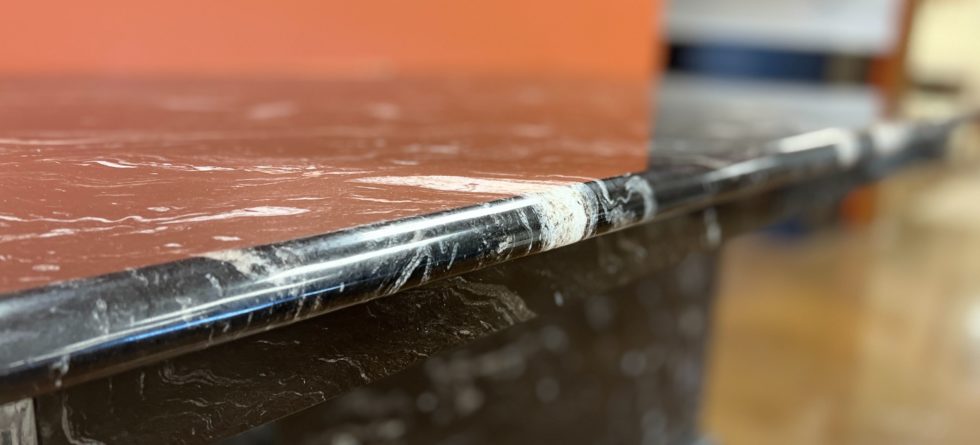
Simplifying edge profiles significantly impacts fabrication costs. Elaborate edge treatments like ogee or waterfall edges typically add $20-40 per linear foot compared to basic eased edges. For a kitchen with 30 linear feet of countertop edges, this single decision could represent $600-1,200 in savings without affecting material quality or durability.
Timing your purchase to coincide with year-end clearances, model changeovers, or seasonal promotions can yield savings of 10-25%. January and February traditionally offer excellent values as fabricators compete for business during slower periods. Similarly, floor models from showrooms or home shows occasionally sell at substantial discounts when displays update.
For the ambitious DIYer, handling certain aspects yourself can reduce labor costs. While fabricating stone or quartz requires specialized equipment and skills, removing old countertops, preparing cabinets, or installing simple materials like laminate or butcher block remains within reach for many homeowners with basic tools and skills. Just be realistic about your capabilities to avoid costly mistakes.
Cost vs. Value: Making Wise Choices
Beyond pure economics, your countertop decision should balance several value considerations. Daily usability matters enormously for surfaces you’ll interact with constantly. How will the material perform with your cooking style? Do you regularly use hot pots, cut directly on surfaces, or work with acidic foods? These practical considerations should influence material selection regardless of budget.
Consider your home’s overall value bracket when selecting materials. While premium countertops generally enhance resale value, there comes a point of diminishing returns. In a neighborhood where homes sell for $200,000, investing in $15,000 exotic stone countertops likely won’t yield proportional returns. Conversely, installing budget laminate in a luxury home could hinder resale potential.
Your planned ownership timeline significantly impacts the value equation. Expecting to sell within 1-3 years? Focus on broadly appealing options with strong resale performance. Planning to stay 10+ years? Prioritize personal preferences and daily enjoyment over market trends, as you’ll be living with these surfaces far longer than future buyers.
Maintenance requirements contribute significantly to long-term satisfaction and should factor into your decision-making. Some materials require annual sealing and special cleaning products, while others need virtually no maintenance. These ongoing considerations affect both convenience and lifetime cost of ownership beyond initial installation prices.
Energy consumption during manufacturing and lifespan sustainability increasingly influence countertop valuation, particularly for environmentally conscious homeowners. Materials produced locally with responsible practices may command premium prices but align with personal values that transcend pure dollar calculations. For many homeowners, this alignment represents substantial subjective value.
Avoiding Hidden Costs in Countertop Projects
Removal and disposal of existing countertops frequently catch homeowners by surprise financially. Demolition typically adds $200-500 to project costs, with additional disposal fees for certain materials. Some municipalities classify certain countertop materials as construction waste requiring special handling and fees. Clarify these costs upfront rather than discovering them mid-project.
Structural reinforcement sometimes becomes necessary when switching to heavier materials. Cabinets designed for lightweight laminate may require additional support for dense stone installations. This reinforcement typically costs $200-400 when needed but proves essential for preventing future sagging or structural issues.
Plumbing reconfiguration often becomes necessary with sink changes or countertop height adjustments. Moving pipes, replacing valves, or extending supply lines typically adds $250-600 depending on complexity and accessibility. Having your plumber evaluate needs before countertop installation prevents last-minute scrambling and premium emergency pricing.
Electrical modifications frequently arise with countertop replacements, particularly when adding or relocating outlets, installing under-cabinet lighting, or accommodating new appliances. These changes typically add $200-400 to project costs and require licensed professionals to maintain code compliance and safety.
Template changes and field adjustments represent another potential cost center. If your design evolves after initial measurements – perhaps deciding on a different edge profile or sink model – modification fees typically apply. These changes may seem minor but often trigger significant fabrication adjustments costing $200-600 depending on timing and complexity.
Seam placement decisions impact both aesthetics and pricing. While you might prefer no seams at all, material limitations, transportation constraints, and installation practicalities often necessitate joining pieces. Minimizing seams or requesting specific placements typically increases costs through additional material requirements and installation complexity. Understanding these tradeoffs early helps prevent disappointment or unexpected charges.
By anticipating these potential hidden costs and discussing them explicitly with contractors before signing agreements, you’ll develop a comprehensive budget that prevents mid-project financial stress. The most successful countertop projects combine thorough planning, realistic expectations, and clear communication about both priorities and constraints.
Remember that your countertop investment will influence your daily experience for years to come. Balancing financial considerations with quality, aesthetics, and functionality ensures you’ll enjoy both the immediate transformation and long-term performance of your new kitchen centerpiece.