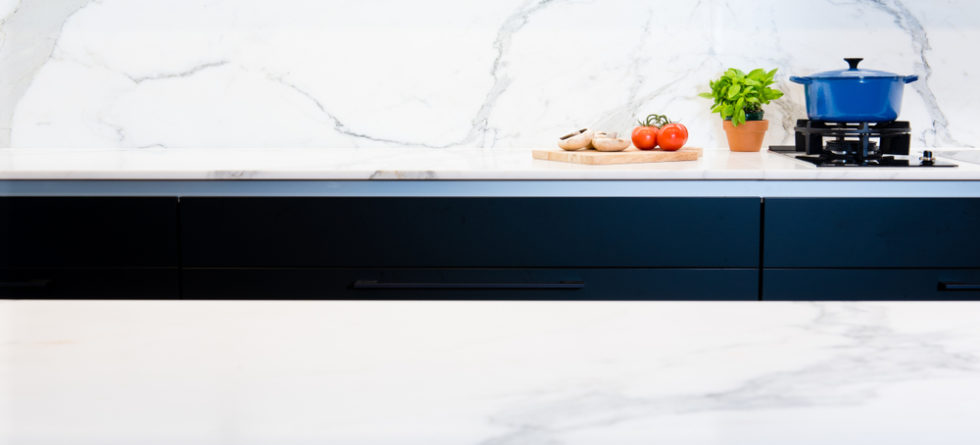
Let’s be honest – shopping for kitchen countertops can feel overwhelming. With so many options and conflicting information, it’s tough to separate fact from fiction. Quartz countertops, in particular, seem surrounded by misconceptions that might be steering you away from an excellent option for your home. Today, we’re clearing up the confusion by tackling the most common myths about this popular material.
Common Misconceptions About Quartz
Many people still believe quartz countertops are a type of natural stone. In reality, they’re engineered stone – typically composed of about 90-95% ground natural quartz minerals bound together with polymer resins and pigments. This manufactured process actually gives quartz many of its advantages, allowing for consistent patterns, wider color options, and enhanced durability compared to purely natural materials.
Another persistent myth suggests quartz is a budget option inferior to natural stone. The truth? Quartz typically falls into the same premium price category as granite and marble, with costs ranging from $60-120 per square foot installed. The price reflects not only the quality materials but also the advanced manufacturing processes that create its distinctive benefits. Some designer quartz lines may even exceed the cost of many natural stones.
Perhaps the most prevalent misconception is that all quartz products are essentially identical. In reality, significant quality differences exist between manufacturers and even between product lines from the same brand. The ratio of quartz to resin, the quality of materials used, manufacturing techniques, and quality control standards all influence the final product’s performance. Premium brands like Caesarstone, Silestone, and Cambria have earned their reputations through consistent quality and innovation.
There’s also confusion about quartz being a recent market entrant with unproven performance. The reality? Engineered quartz has been widely used in Europe since the 1960s and gained popularity in North America through the 1990s. This means we now have decades of real-world performance data demonstrating how these surfaces withstand the test of time in residential settings.
Understanding Quartz’s True Durability
Quartz’s reputation for durability is well-earned, but exaggerated claims sometimes create unrealistic expectations. Let’s examine what quartz can really handle.
While exceptionally hard and resistant to most scratches from everyday items, quartz isn’t literally scratch-proof as sometimes claimed. The natural quartz mineral rates 7 on the Mohs hardness scale (diamonds are 10), making it highly scratch-resistant. However, harder materials like diamonds, some ceramics, and certain abrasives can potentially mark the surface. For practical purposes, normal kitchen utensils pose minimal risk, but it’s still wise to use cutting boards rather than cutting directly on quartz surfaces.
Heat resistance represents one area where quartz has clear limitations compared to natural stone. The resin binders that give quartz its non-porous advantages have temperature tolerances below those of the mineral components. Direct exposure to heat above approximately 150°F (65°C) can potentially damage these resins, causing discoloration or even cracks in extreme cases. Always use trivets or hot pads under items coming directly from ovens, stovetops, or high-temperature appliances.
Quartz’s resistance to staining and bacterial growth stems from its non-porous nature – liquids simply cannot penetrate the surface. This advantage remains consistent throughout the material’s lifetime without requiring the periodic sealing that natural stones need. However, prolonged exposure to harsh chemicals like oven cleaners, drain openers, or paint removers can potentially damage the resin binders, affecting both appearance and performance.
Impact resistance presents another strength with reasonable limitations. Quartz handles normal kitchen activities admirably, but isn’t indestructible. Heavy objects dropped from height – particularly on edges or corners – can potentially cause chipping. The resin component actually provides some flexibility that helps resist certain impacts better than purely brittle materials, but reasonable care remains important for preserving pristine appearance.
Is Quartz Truly Scratch-Proof?
The scratch-resistance question deserves special attention since it often creates confusion. Quartz countertops resist scratching from most household objects admirably, but “scratch-resistant” differs significantly from “scratch-proof” – a distinction sometimes blurred in marketing materials.
The natural quartz crystals that constitute approximately 90% of the material indeed measure 7 on the Mohs hardness scale, making them harder than knife blades (5.5-6.5), most household metals, and even glass. This provides excellent resistance to everyday scratching. However, the remaining 10% comprises resins and potentially other materials that don’t share this exceptional hardness.
In practice, this means quartz easily withstands contact with metal utensils, dishes, and typical kitchen items without scratching. However, materials of equal or greater hardness – including some ceramic items, certain abrasive cleaners, and obviously diamonds (including diamond-grit tools) – can potentially scratch the surface.
Texture also influences scratch visibility. Highly polished, solid-colored quartz shows fine scratches more readily than patterns with movement or matte finishes that naturally disguise minor surface variations. Some manufacturers now offer textured finishes specifically designed to mask signs of wear from normal use.
For everyday peace of mind, quartz certainly delivers excellent scratch-resistance that handles normal kitchen activities without special precautions. However, reasonable care – using cutting boards, avoiding abrasive cleaners, and protecting surfaces from unusually hard materials – helps maintain pristine appearance through years of use.
Facts About Quartz’s Lifespan and Resale Value
Engineered quartz countertops typically carry manufacturer warranties ranging from 10-15 years to lifetime limited coverage, reflecting confidence in their longevity. In practice, properly maintained quartz countertops commonly provide 20-30 years of service in residential settings – comparable to high-quality natural stone installations and significantly outlasting laminate or tile alternatives.
Unlike some materials that develop patina or visible aging with use, quartz tends to maintain its original appearance remarkably well. The non-porous surface resists staining, while UV-stabilized resins in quality brands minimize color changes from sun exposure in indoor applications. This consistent appearance contributes significantly to long-term value and satisfaction.
From a real estate perspective, quartz countertops consistently rank among the kitchen features that positively influence buyer perception and property valuation. National Association of Realtors data suggests kitchen upgrades featuring premium countertops like quartz typically recover 75-90% of their cost at resale, with some markets showing even higher returns. These surfaces signal quality and reduced maintenance requirements that appeal to prospective buyers.
The relationship between initial quality and long-term performance proves particularly important with quartz. Premium brands with established reputations typically use higher-grade resins, optimized manufacturing processes, and rigorous quality control that translate to better longevity. The investment in recognized quality often pays dividends through extended service life and reduced likelihood of warranty claims.
For maximum lifespan, reasonable precautions help preserve quartz surfaces: using trivets under hot items, avoiding harsh chemicals, cleaning with appropriate products, and protecting from potential impacts. With these simple considerations, quartz countertops typically deliver decades of trouble-free service while maintaining their aesthetic appeal.
The bottom line? Quartz countertops represent a significant investment in your home that typically provides excellent returns through both daily enjoyment and eventual resale value. By understanding their true capabilities rather than either the myths or exaggerated claims, you can make informed decisions about whether this popular material aligns with your specific needs and lifestyle.
When properly selected and maintained, quartz offers an impressive combination of beauty, performance, and convenience that explains its growing popularity in kitchens and bathrooms worldwide. Neither miracle material nor mere marketing hype, quartz simply delivers exceptional real-world performance that makes daily life more beautiful and convenient for millions of satisfied homeowners.