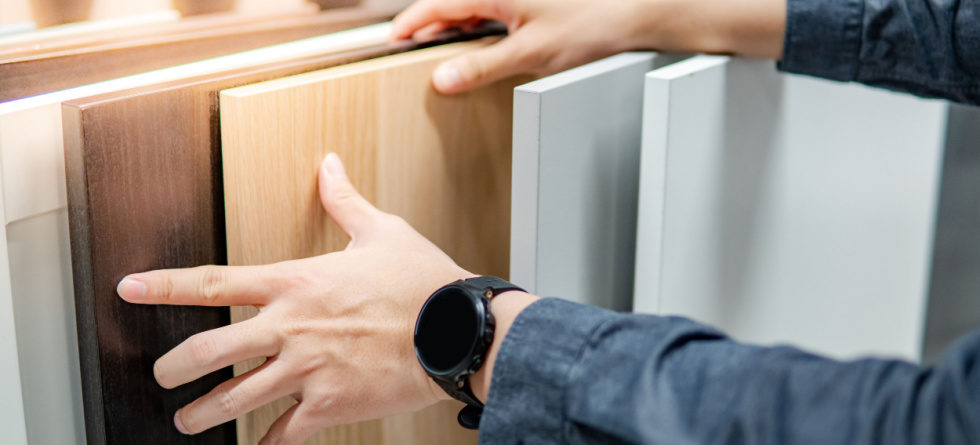
Let’s face it – creating a beautiful home and being kind to our planet shouldn’t be mutually exclusive. If you’re renovating your kitchen or bathroom with sustainability in mind, your countertop choice matters more than you might think. Today’s eco-friendly options don’t just help you sleep better at night; they also deliver stunning looks and impressive performance that rival their conventional counterparts.
Understanding Sustainable Countertop Materials
What makes a countertop truly sustainable? It’s not just a single factor but a combination of considerations. The most earth-friendly options typically feature renewable or recycled content, low-impact manufacturing processes, minimal shipping distances, non-toxic components, and long lifespans. Bonus points go to materials that can be recycled again at the end of their useful life.
Think about bamboo, for instance. It’s technically a grass rather than a wood, and it regenerates incredibly quickly – reaching full maturity in just 3-5 years compared to decades for hardwoods. When laminated into countertops, bamboo delivers a warm, natural aesthetic that brightens any kitchen. Plus, it’s naturally antimicrobial, making it a smart choice for food prep areas.
Recycled glass countertops have become real showstoppers in contemporary homes. These stunning surfaces combine crushed post-consumer glass with either cement or resin binders to create countertops that sparkle with depth and character. Each one tells a unique story – that wine bottle from your anniversary dinner or those blue glass jars might be reborn as your kitchen centerpiece. Companies like Vetrazzo and IceStone lead the way with options containing up to 80% recycled glass.
For something completely different, consider paper-based composite countertops. Yes, you read that right – paper! These innovative surfaces use recycled paper saturated with non-petroleum-based resins and pigments to create surprisingly durable slabs. Brands like PaperStone and Richlite offer these warm, matte-finish options that feel something like a leather-wood hybrid under your fingertips. They’re heat-resistant, repairable, and develop a lovely patina over time.
The Environmental Impact of Common Countertops
When considering environmental impact, it helps to understand how traditional options stack up. Standard granite, while natural, requires energy-intensive quarrying, cutting, and global shipping that creates a significant carbon footprint. Some quarries have improved their practices, but the environmental cost varies dramatically depending on sourcing and distance traveled.
Conventional quartz (engineered stone) contains about 90% natural quartz – an abundant material – bound with 10% polymer resins typically derived from petroleum. The manufacturing process uses less energy than natural stone extraction, but the non-biodegradable resins raise sustainability concerns. Some manufacturers have begun incorporating recycled content and developing plant-based binding alternatives to address these issues.
Laminate countertops, despite their budget-friendly price point, present environmental challenges through their plastic components and limited lifespan. When they’re damaged, they typically can’t be repaired and end up in landfills where they decompose very slowly. However, some manufacturers now offer options with recycled content and low-emission manufacturing processes that reduce their environmental impact.
Solid surface materials like Corian have made strides in sustainability by offering products with recycled content and manufacturing processes that allow for scraps to be reused. Their durability and reparability extend their useful life, though as petroleum-based products, they still carry inherent environmental limitations.
Recycling and Repurposing Old Countertops
What happens to your old countertops when you renovate? Too often, they end up in landfills, but creative alternatives exist. Natural stone can be repurposed into smaller projects like bathroom vanities, outdoor kitchen components, garden stepping stones, or even crushed for landscape material. Some fabricators maintain remnant programs that reuse larger pieces for smaller projects.
Certain materials lend themselves particularly well to creative reuse. Butcher block sections can become cutting boards, solid surface materials can be thermoformed into new products, and concrete can be crushed for use as aggregate in new installations. Even laminate countertops can find new life as workshop surfaces or in temporary housing programs.
A growing number of specialized recycling programs now accept specific countertop materials. The Habitat for Humanity ReStore network often accepts gently used countertops for resale, giving materials a second life while supporting affordable housing initiatives. Some manufacturers have also implemented take-back programs to responsibly process their products at the end of their useful life.
Before demolition day, it’s worth researching local options for recycling or donating your existing countertops. With some planning, you can minimize your renovation’s environmental impact while potentially helping others in your community.
Top Sustainable Options for Modern Homes
Reclaimed wood countertops bring warmth, character, and history into contemporary kitchens. Salvaged from old barns, factories, shipping pallets, or even river bottoms, these materials carry stories from their previous lives. While requiring proper sealing for kitchen use, innovations in non-toxic, waterproof finishes have made wood countertops more practical than ever. For authenticity and quality, look to specialists like The Recycled Woodshop or Viridian Reclaimed Wood.
If you love the look of concrete but worry about its typically high carbon footprint, next-generation sustainable concrete countertops offer a compelling alternative. Using recycled aggregates (like crushed glass or porcelain), supplementary cementitious materials (SCMs) that replace some traditional cement, and even carbon-sequestering technologies, these greener concrete options reduce environmental impact while maintaining performance. They can be tinted, polished, and customized to create truly unique installations.
For those drawn to metal surfaces, recycled aluminum and copper countertops present attractive options. These metals can be recycled indefinitely without quality degradation – in fact, approximately 75% of all aluminum ever produced is still in use today thanks to recycling. Though generally higher in cost, their extreme durability and eventual recyclability make them sound long-term investments from both financial and environmental perspectives.
Some of the most innovative sustainable options combine multiple reclaimed or renewable materials. Terrazzo-inspired surfaces incorporating everything from recycled mirror glass to shell fragments suspended in eco-friendly binders create spectacular visual effects. These statement pieces often become conversation starters while reinforcing a commitment to environmental responsibility.
Living in a warm climate? Consider sintered stone – an ultra-compact surface made from 100% natural minerals transformed under heat and pressure in a process that mimics how natural stone forms over millennia, just accelerated. Brands like Neolith and Dekton offer exceptional durability with reduced thickness compared to natural stone, meaning less material use overall. Their manufacturing processes increasingly incorporate recycled content and carbon-offset programs.
The most sustainable countertop choice ultimately depends on your specific circumstances – including your local climate, available nearby sources, and particular usage patterns. Working with designers and suppliers who specialize in sustainable options can help you navigate these considerations to find the perfect balance of beauty, performance, and environmental responsibility.
When you choose eco-friendly countertops, you’re not just making a statement about your personal values – you’re helping drive market demand that encourages further innovation in sustainable materials. Every environmentally conscious choice helps move the entire industry toward more responsible practices that benefit us all.
Ready to explore sustainable countertop options for your home? The perfect combination of environmental responsibility and beautiful design is within reach – and it starts right at your fingertips, on the surfaces you touch every day.