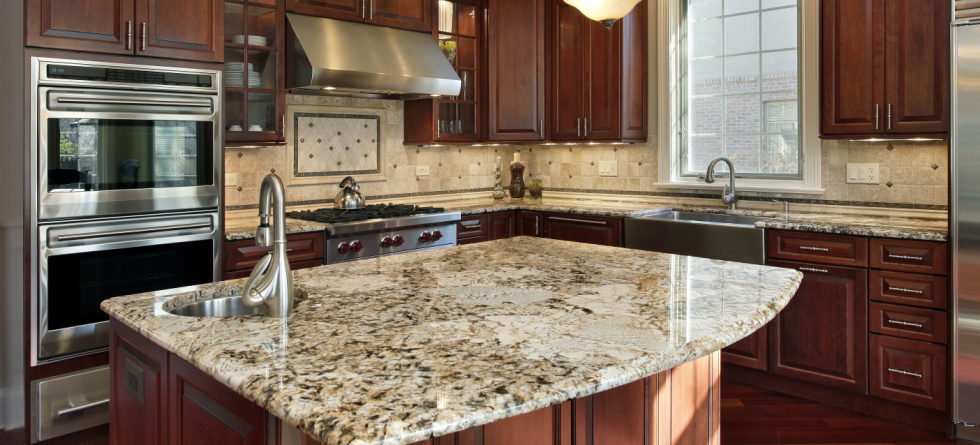
When renovating your kitchen or bathroom, it’s easy to focus on the big decisions – material, color, and layout. But there’s a subtle design element that can dramatically transform the entire feel of your space: the countertop edge. Far more than just a finishing detail, your edge profile influences both the visual impact and practical functionality of your countertops. Let’s explore how this often-overlooked feature can elevate your entire design.
Popular Edge Styles for Countertops
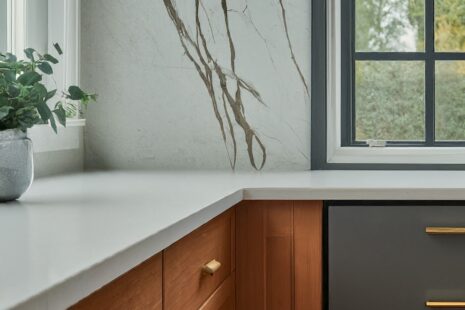
The classic straight edge (also called eased or square) remains among the most popular choices for contemporary spaces. This clean, minimalist profile features softly rounded corners that prevent chipping while maintaining crisp lines that complement modern aesthetics. The visual simplicity allows other design elements to take center stage while providing a timeless foundation that won’t look dated as trends evolve.
For those seeking subtle elegance, the bullnose edge creates a fully rounded profile that softens the countertop’s appearance. This gentle curve eliminates sharp corners entirely, making it particularly well-suited for households with young children. Beyond safety considerations, the bullnose brings a sense of flowing movement to kitchen designs, contrasting beautifully with the geometric lines of cabinetry.
The beveled edge adds architectural interest through angled cuts that catch light in intriguing ways. These countertops appear thinner and lighter than they actually are, creating an almost floating visual effect. Fabricators typically create bevels at 45-degree angles, though custom angles can achieve specific design objectives. Double-beveled edges that mirror the angle on top and bottom create particularly dramatic shadows and highlights.
For traditional spaces, the ogee edge delivers timeless sophistication through its S-shaped curve that resembles crown molding. This deeply contoured profile adds substantial visual weight and formality to countertops, making them appear more substantial. The ogee works beautifully in classic kitchen designs, particularly when echoing curved details found in cabinetry or architectural elements throughout the home.
Creative homeowners increasingly explore waterfall edges where the countertop material continues vertically down the side of cabinets to the floor. This architectural statement transforms countertops from horizontal surfaces into structural design elements that define space. While technically more an installation style than an edge profile, the waterfall creates dramatic impact, particularly with materials featuring distinctive patterns or movement.
Choosing the Right Edge for Your Kitchen or Bathroom
The relationship between countertop thickness and edge profile significantly influences visual proportions. Generally, thicker slabs (3cm/1.25″) support more elaborate edge treatments, while thinner materials (2cm/0.75″) look best with simpler profiles that don’t overpower their scale. Some dramatic edge styles actually combine multiple pieces to create the appearance of extraordinary thickness – up to 5cm or more – while maintaining the structural benefits of standard materials.
Your material choice naturally limits your edge options. Natural stones like granite and marble can be shaped into virtually any profile, while engineered materials like quartz have specific fabrication requirements that may restrict extremely complex edges. Solid surfaces like Corian offer unique possibilities through thermoforming, where heat allows the material to create flowing, integrated forms impossible with other materials.
The overall design scheme should guide your edge selection. Contemporary minimalist spaces generally benefit from clean, simple edges that maintain visual cohesion. Traditional kitchens often feature more elaborate profiles that enhance their formal character. Transitional designs might incorporate subtle detailing that bridges these aesthetic approaches – perhaps a simple ogee or beveled edge that adds interest without overwhelming.
Considering how people interact with your space helps identify practical edge considerations. Households with children might prioritize rounded profiles without sharp corners. Avid bakers might prefer straight edges that make it easier to clean excess flour from counter surfaces. Entertaining enthusiasts might select slightly protruding edges that prevent spills from running down cabinet faces during lively gatherings.
Trends in Countertop Edge Designs
Mitered edges represent one of today’s most sophisticated trends, creating the illusion of dramatically thick countertops without the weight or material cost. This technique joins two pieces at a precise 45-degree angle, making 2cm materials appear to be 4cm or greater. When executed with exceptional craftsmanship, the seam virtually disappears, leaving the impression of impossibly substantial stone. This approach works particularly well for kitchen islands, where the visual heft creates an anchoring presence.
Leathered and textured edges bring tactile interest to countertop designs. Rather than the typical polished finish, these treatments feature subtle surface variations that create both visual and physical texture. When combined with similarly textured countertop surfaces, these edges create continuity; alternatively, contrasting a textured edge with a polished surface highlights the transition in an artistic way.
Two-tone edge treatments combine different materials or finishes to create distinctive borders around countertop surfaces. A classic example pairs bright white quartz with a wood-edge detail, creating warm/cool contrast that defines boundaries while integrating countertops with cabinetry below. More dramatic interpretations might feature metal inserts or contrasting stone materials that introduce accent colors.
Undermount lighting integrated into edge profiles represents perhaps the most innovative current trend. LED strips concealed within stepped or recessed edge details create ambiance through indirect illumination. Beyond aesthetic appeal, this practical feature provides subtle navigation lighting for midnight kitchen visits and adds drama during entertainment.
The “no edge” approach embraces absolute minimalism through perfect right angles with only the slightest softening to prevent chipping. This austere treatment reflects broader design movements toward essential forms and uncompromising simplicity. While appearing effortless, these edges actually require extraordinary fabrication precision to execute beautifully.
Practical Considerations for Edge Styles
Installation complexity varies dramatically between edge profiles, directly impacting cost. Simple eased edges require minimal fabrication time, while elaborate profiles like Dupont or ogee demand specialized equipment and considerable skilled labor. This complexity typically adds $10-$30 per linear foot beyond basic edge pricing, with particularly intricate custom designs commanding even higher premiums.
Different edge styles perform differently through years of daily use. Highly detailed edges with numerous crevices and contours tend to collect dust and debris more readily than simpler profiles. Edges with sharper corners may be more prone to chipping over time, particularly in busy households. These practical considerations shouldn’t necessarily override aesthetic preferences but deserve consideration alongside visual appeal.
Maintenance requirements also differ between edge styles. Complex profiles require more detailed cleaning, sometimes necessitating small brushes to reach recessed areas. Materials with contrasting edge treatments may weather differently, potentially requiring different care products over time. Understanding these ongoing considerations helps ensure lasting satisfaction with your selection.
The relationship between backsplash design and edge profile creates important visual harmony. When full-height backsplashes continue the countertop material up the wall, simpler edge profiles usually create more cohesive transitions. Conversely, when tile or other contrasting materials form the backsplash, more defined edges can create intentional boundaries between surface treatments.
Remember that edge profiles don’t have to remain consistent throughout your space. Many designers strategically vary treatments – perhaps using elaborate profiles on showcase islands while employing simpler edges for perimeter counters. This thoughtful differentiation can highlight architectural features, define activity zones, and create visual hierarchy without requiring different primary materials.
Edge selection ultimately balances aesthetic preferences, practical considerations, and budget constraints. By understanding how this seemingly small detail influences your space’s overall impact, you can make informed choices that enhance both the beauty and functionality of your home for years to come. The perfect edge doesn’t just finish your countertop – it completes your vision.