
When planning home improvements with an eye toward return on investment, few projects deliver more bang for your buck than upgrading your countertops. These highly visible surfaces do more than simply provide workspace—they establish the style, quality, and perceived value of your entire home. Whether you’re preparing to sell or simply making strategic improvements for long-term enjoyment, understanding how countertops influence property value can help you make informed decisions about where to invest your renovation dollars.
The Importance of Countertops in Home Resale Value
Real estate professionals consistently rank kitchen renovations among the most influential factors in determining a home’s marketability and final selling price. Within the kitchen hierarchy, countertops stand out as particularly significant elements that potential buyers notice immediately during showings.
The psychology behind this focus is fascinating—countertops serve as visual shorthand for a home’s overall quality. When prospective buyers see premium surfaces, they tend to assume similar quality extends throughout the property, even without inspecting every detail. Conversely, dated or damaged countertops trigger concerns about potential maintenance issues elsewhere.
This perception translates directly to offers. According to the National Association of Realtors’ 2024 Remodeling Impact Report, homeowners who upgrade to high-quality countertops typically recover 85-90% of their investment at resale. More importantly, these improvements often facilitate faster sales with fewer price negotiations, reducing carrying costs and market uncertainty.
Beyond pure economics, premium countertops create emotional appeal that drives competitive bidding. In today’s market, where social media and home renovation shows have elevated design expectations, stylish countertops frequently become the “wow factor” that prompts buyers to make offers on properties they might otherwise overlook.
Countertop Materials That Increase ROI
While virtually any countertop upgrade improves property value compared to worn or dated surfaces, certain materials consistently deliver superior returns on investment.
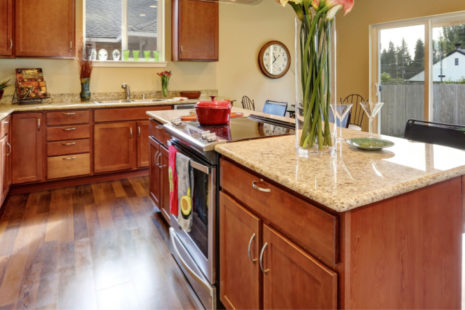
Quartz has emerged as perhaps the most reliable value-boosting countertop material, combining aesthetic appeal with practical advantages that resonate with today’s buyers. Its non-porous surface requires no sealing, addressing maintenance concerns that might deter busy professionals or families. The consistent appearance from slab to slab also simplifies the selection process compared to natural stone variations. With an average ROI between 70-80%, quartz typically represents a sound investment.
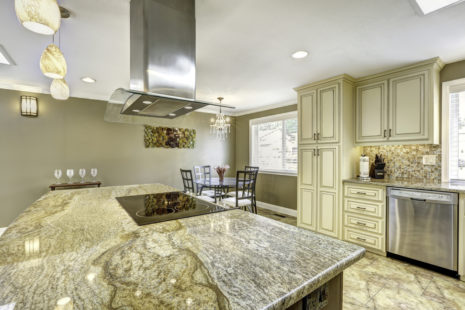
Granite continues to command respect in the marketplace despite increased competition from engineered alternatives. Its natural beauty and proven durability maintain strong appeal, particularly in luxury properties where authenticity carries premium value. Lighter granite varieties with subtle patterning currently generate the strongest buyer interest, offering timeless appeal that transcends short-term trends. While installation costs vary widely, mid-range granite typically returns 65-75% of investment at resale.
For properties in specific market segments, specialty materials can deliver exceptional returns. In eco-conscious communities, recycled glass or sustainable composite countertops may command premium prices from environmentally motivated buyers. In historic homes, period-appropriate materials like soapstone or marble might prove essential for maintaining architectural integrity and attracting preservation-minded purchasers.
The relationship between countertop investment and property value isn’t strictly linear—there comes a point where additional expenditure yields diminishing returns. Ultra-exotic natural stones or custom designer surfaces might not be fully valued by the average buyer. Smart investors typically aim for the sweet spot where quality meets market expectations without significant overbuilding for the neighborhood.
How to Choose Countertops for Long-Term Value
When selecting countertops with investment value in mind, balancing current trends against timeless appeal represents the central challenge. Materials and designs that feel fresh today but won’t appear dated in five years offer the optimal combination of immediate appeal and sustained value.
Neutral color palettes consistently outperform bold statements in terms of investment return. Whites, light grays, beiges, and subtle earth tones provide sophisticated backgrounds that complement changing décor styles over time. While statement countertops may generate excitement initially, their specificity often limits appeal to a narrower buyer segment—potentially reducing your future buyer pool.
Edge profiles represent another area where restraint typically yields better returns. Simple eased or quarter-round edges offer clean, contemporary lines unlikely to appear dated quickly. More elaborate profiles, while sometimes appropriate for specific architectural styles, generally add cost without proportionally increasing value.
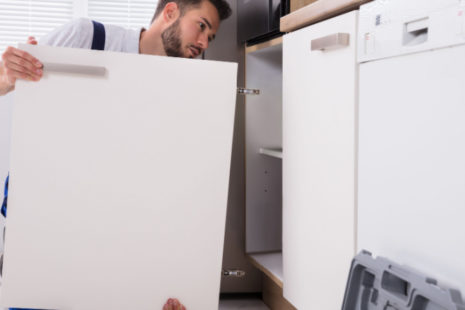
Installation quality dramatically impacts both performance and perceived value. Even premium materials look substandard when poorly installed, with visible seams, uneven surfaces, or misaligned edges. Selecting experienced fabricators with substantial portfolios and verifiable references typically delivers better long-term results than choosing solely based on lowest bid price.
Future maintenance requirements should factor prominently in selection decisions. Materials requiring specialized care or frequent resealing may lose appeal even if their initial appearance impresses. The current market strongly favors low-maintenance options that promise beauty without ongoing time investment—a preference unlikely to reverse as busy lifestyles continue to dominate.
Examples of High-Value Countertop Investments
Certain countertop scenarios consistently deliver exceptional return on investment across diverse market conditions and housing types.
Kitchen islands featuring premium materials create high-impact focal points without requiring complete surface replacement throughout. This strategic approach allows homeowners to incorporate luxury materials where they’ll be most noticed while using more budget-friendly options in peripheral areas. The visual hierarchy created draws attention to your investment while controlling overall project costs.
Waterfall edges—where countertop material continues vertically down the sides of islands or peninsula cabinets—deliver dramatic architectural impact that photographs beautifully for listings. This design technique transforms countertops from horizontal surfaces into sculptural elements that define space. While requiring additional material and skilled fabrication, the distinctive appearance often justifies the investment in competitive markets.
Complementary but distinct surfaces in open-concept spaces create sophisticated design statements that impress discerning buyers. For example, contrasting perimeter countertops in practical quartz with island surfaces in dramatic natural stone demonstrates thoughtful material selection while optimizing both performance and aesthetics. This layered approach signals design awareness that elevates property perception.
Bathroom vanity tops offer exceptional value-to-cost ratios due to their relatively small square footage yet high visibility. Premium materials like marble, which might prove impractical for kitchen applications, become manageable investments in bathroom contexts while delivering luxury signals that influence overall property perception. In master bathrooms particularly, elegant vanity surfaces create lasting impressions with relatively modest material requirements.
The most successful countertop investments share common characteristics regardless of specific material choices. They complement overall home architecture, demonstrate quality without appearing ostentatious, perform well under typical use conditions, and appeal to a broad segment of potential future buyers.
By understanding both the practical and psychological aspects of how countertops influence property value, homeowners can make strategic choices that enhance daily enjoyment while building equity. Rather than chasing fleeting trends, focus on quality materials with proven performance histories and enduring aesthetic appeal—investments that pay dividends both in daily satisfaction and eventual resale returns